‘Walking in the Footsteps of your Ancestors’

                                                                         ‘

Ancestry Research & Tours

Walking in the Footsteps of your Ancestors

Just imagine, having your family ancestry researched and then taking a tour with RobbieMac to ‘Walk in the Footsteps of Your Ancestors’. RobbieMac has now integrated her tour guiding and clan expertise with her long-term hobby of genealogy: https://www.robbiemactours.co.uk/ancestry-introduction/ancestry-research-tours/

“We had noticed an emerging trend where colonial visitors have asked if we could find their ancestral homes – in the midst of planning a tour!”

It is not always possible at short notice to establish the details and find places connected to family – unless of course they have connections or links to a major clan. Even then, that can still lack the personal family events and locations people yearn for. With the benefit of research, we can find and prove unique data and facts and then blend them into a personalised tour.

Scotland holds many stories close to its heart. It is a complex land with a complex history. So we decided to do something more positive about that to enhance future visitor experiences. Hence the formal integration of ancestry services into our tour guiding business.

After all, I am a part of the Scots Diaspora myself and had been down that same path on our first trip to Scotland forty years ago. While I grew up in Australia, I was brought up with the old traditions and culture in a Scottish family. However twenty years ago, the pull of Scotland became too hard to ignore and we stayed.

So RobbieMac services have been redesigned around the requests by fellow colonials, the Scots Diaspora, coming back ‘to the auld country, to walk in the footsteps of their ancestors’!

My specialty is ancestry research, so ask us to complete the research, and then design you a personalised tour to bring your family and the dream to life! I’ll work with you to research your family beforehand, and then prepare a special personalised tour to enable you to ‘Walk in the Footsteps of Your Ancestors’ when you visit Scotland.

The trip I design is elementally a home coming, so we work together online before your trip, to plan a personalised tour just for you (or a family group if you bring them with you). That tour is a choice of a full day or multi days in length– the number of days choice is yours, however it determines just how much you get to see and experience in the given timeframe. Perhaps even find the great grannie you never knew, or meet up with long lost relatives – just as I did!

Your itineraries may include houses they once lived in; or ruins of cottages and farm steadings; churches where they were baptised or married; cemeteries where they lay buried; schools they once attended; fields they once worked by hand et al……. just imagine, holding an old door knob the family used for generations, or of walking in the footsteps of their daily routines!

Our specialty is in locating where your ancestors or the clan connection once lived, loved and worked.

Not everyone is necessarily connected to a clan. However, if you are interested in the Highland clans, then we have a broad knowledge of the major players and can develop a family or clan tour, for example: SinclairGunnMackayRossCameronChisholmMacDonaldMacPherson & Grant.

Recently I was invited to give a presentation on ‘Genealogy in Scotland (Research and Tours)’ on a world-wide travel trade zoom forum run by Adams & Butler – Hallmark of Luxury Travel Trade. On request I featured a previous tour about the dominant local Clan Sinclair and traced the Caithness Scotland connection back from the Sinclairs to Vikings circa from the 11th century and brought it forward to the current day by taking in the local castles, ruins, churches, fields of battle and the estates relative to the Sinclairs through time.

However, not all tours are like this ….. quite often we find they were impoverished hard working crofters with a few animals and that wee croft now in ruins on a remote hillside. In addition we often come across tumble down walls, and old foot paths worn down over the centuries – some left during the Highland Clearances or others following the Battle of Culloden.

The sight of the ruins and the knowledge of the harsh life they lived, makes it a much more tangible and traumatic history to deal with.

A worn old flagstone in a doorway might send shivers up your spine when you stand on it; or a rusty battered old door knob takes on very magical experience when you grasp it.

Make memories. People comment on how much appreciated it is that I bring flowers for them to place on graves or in significant places!

I’ve seen grown men shed a tear when they come face to face with the harsh life many of their ancestors lived. Our tours cover the fundamentals of life in their time, their beliefs and practices and bring it to reality – albeit sometimes it can be a rather harsh reality. We ensure that we help visitors get the photos they need by ensuring they are in those photos, and that we are taking them at their best. Memories are memories, but a collection of once only photos is also hard to beat!

With family tree research, the combination of organising a Family Reunion or Gathering is an optional extra. Various family events have been successfully delivered in Australia and here in Scotland. We are happy to discuss your needs and to assist with the planning of those events, gatherings and family tours tailored to your family tree and ancestry research.

For longer projects, such as researching the life of an ancestor, tracing a lineage, building a family tree and reporting, or organising reunions or ancestry tours, the fees are tailored to suit each assignment. Bear in mind that many families may be traced back to about the mid-1700s with data that we can access, but some are more difficult for various personal reasons and prove quite challenging. But there is always something you can find about your family, and that can be built on when designing your tour.

ancestry-for-beginners-online-with-RobbieMac

RobbieMac offers tour guiding and ancestry services. She is a Scottish Green Badge Tour Guide and Professional Genealogist who can’t wait to share this wonderful location with you! Tours can be personalised for you by tour guide, ancestry researcher and driver; knowledgeable, passionate, and ready to welcome you with open arms and warm hearts to our beautiful part of the world.         

This quarter RobbieMac was thrilled to also introduce ‘Ancestry Online for Beginners’ into the ancestry services. This is a set of online sessions designed to get you kick-started with basic family and ancestry research. It has been a staged rollout to ensure that any newcomers to ancestry know not only the actual research processes but are given a toolkit of tips ‘n tricks. This will assist you to understand the protocols, legals and responsibilities behind data collection, storage and sharing.

Without a doubt the genealogy journey through your family, its history and ancestry could be one of the most frustrating, fascinating or fulfilling journeys you’ll ever take!

The covid challenges in 2020/2021 are still with us, but RobbieMac has Visit Scotland ‘Good-to-Go’ certification and ‘Safe Travels’ worldwide accreditation. We look forward to welcoming our guests back to Scotland soon (albeit with face masks, sanitising and distancing rules).


What others said about us!

Testimonials / Referrals:

Previous clients have said that they were thrilled with their RobbieMac guided tours and the personalised services we provided.

We thoroughly enjoyed working with them, and love to share their reviews with you!

1). ‘And then you wove your magic’………Robyn, I really want to thank you for all of the help you gave me in planning my trip to Scotland in 2019.You began by asking a few questions about my interests, time available and my ‘must sees’. And then you wove your magic! 

Your knowledge of out-of-the-way places, as well as the main attractions was amazing. Plus you had a great knowledge of Scotland’s roads and discussed road and driving conditions for the time I hired a car.

 One of the things I really appreciated was that you told me when local public holidays occurred, and warned me that some places would be closed. I would never have known these things otherwise!

When we met for you to guide me, again, you were so knowledgeable, but you gave me options, so it was always my tour, as I wanted it, not a standard tour that I had to fit into. I really appreciated that.

 And throughout the process, you were warm and encouraging, which I really appreciated since it was my first time travelling. 

Robyn, thank you so much for sharing your knowledge,  experience and love of Scotland with me.  

I will always be very happy to recommend your tour guiding and planning services to anyone who asks. Best wishes for your future,  Claire B, New South Wales, Australia

2). ‘Many historical and cultural experiences‘…On our several trips to Scotland, Robbie Mac Tours have provided us with a depth of knowledge of the many historical and cultural experiences not only in the Highlands but also of the whole of Scotland and the UK, and particularly the Caithness region. 

They have given us a deep insight into the traditions, way of life and the special uniqueness of the Scottish people, both ancient and modern.  Their guiding, advice and willingness to go the extra mile (or find the side roads to points of interest) have given us amazing memories.  Also their ability to research the history of everything and anything, including genealogy and family history, has given us trails to follow that we may not have thought of.’ Ruth & Kurt J, Queensland, Australia.

3). ‘Wealth of knowledge’…..Robyn (Jobson) has been a wealth of knowledge in starting us on our genealogical journey, tracking our Scottish ancestry. On a personal note she has given me great inspiration for planning our ‘must-sees’ for our future holiday to Scotland. Can’t wait’. Deb B, Queensland, Australia.

4).‘Time here so much fun’…’Robyn and Ross, Thank you for a wonderful day. We loved every moment and are grateful that you took the time to make our time here so much fun. We hope our paths cross again’. Pam & Mike, USA

5).‘Cheerful, meticulous, enthuses others’…’I met Robyn through her family tree research and have kept in touch. Her new business venture is exciting and based in an area of Scotland I know and love. Robyn is cheerful, meticulous, enthuses others and understands the need for prompt responses. I wish RobbieMacTours every success. Sue S., Norfolk. UK’

6).‘She arranged a family homecoming’….’I first got to know Robyn when I was doing the genealogy of my husband’s family.   She arranged a family homecoming in a hotel in Ayrshire. It was a terrific weekend. We saw a massive family tree, heard from family members who had stories to tell, swopped presents and had a ceilidh complete with a piper.

Next day a bus was arranged for us all to go to the family home where the family originated. On leaving we were given a DVD and loads of information on the family. All this was arranged by Robyn.

Can I say I do admire and thank her for the amount of work she put into the week end and how welcoming and friendly she is. I cannot praise her enough for all the work she has and still does in keeping the family informed about matters’. Linda & Bob McB., Ayrshire, Scotland

7).‘The breadth and depth of their knowledge of Scotland is echoed in their passion for this beautiful country’…..’Robyn and Ross are truly wonderful people. The breadth and depth of their knowledge of Scotland is echoed in their passion for this beautiful country. Our sincere and heartfelt thanks for helping us find, and guiding us through this amazing Scottish adventure. Our first encounter with Scotland was richer and more intimate than we could have imagined thanks to your expert guidance. We’ll be back for more!’    Kim & Leonie R., Qld Australia

8).’Knowledge of the area and the history’….I  recently spent eight days in Caithness with Robyn and Ross and their knowledge of the area and the history was truly amazing. I would not hesitate to recommend them both for a truly amazing tour. I cannot thank them enough for a wonderful experience. Thea W., Gold Coast, Australia

Queries & Bookings:

Ross & Robyn

Burns Night – 25th January

BURNS night is celebrated on January 25th by Scots all over the world.  Yes, and that means it’s in just a few days time!

So what is Burns Night – bagpipes, whisky, haggis, tartan, ceilidh dancing and poetry recited in broad Scots accents. What’s not to love about Burns Night?

But how do Scots actually celebrate Burns Night?

Here’s what you need to know, to arrange your own celebration.

‘Burns’, is Robert Burns (aka Rabbie or Robbie to Scots) who has now become the most famed national poet of Scotland! If nothing else, you probably know him for the song ‘Auld Lang Syne’’. Scottish diaspora far and wide celebrate his birthday with bagpipes and a typical peasant dinner of ‘haggis, neeps and tatties’ – followed by a dram or two of whisky and a lively ceilidh afterwards.

Born on January 25, 1759, in Alloway, South Ayrshire in Scotland, Rabbie Burns was the eldest son of tenant farmers William Burnes and Agnes Broun (I love the spelling variants)! Within their means they ensured he had as good an education as they could afford. As a young boy, Burns found farm work too demanding. He solved the drudgery by reading prolifically and writing poetry!

Rabbie did not marry the ever tolerant Jean Armour for many years, though she had many pregnancies to him. He enjoyed other women’s company too much – weaving a tangled web and getting himself into more trouble than it was worth!

He had moved to Edinburgh and got in with a number of wealthy and important folk – a great circle of admirers of his work! He also had a number of illicit  relationships which resulted in a number of  illegitimate children! Yet this turned into a prolific period of his literary life.

The Burns Night tradition began after Burns’ early death in 1796, when his friends decided they needed an annual event to celebrate his life and writings. Besides poetry, he had also ‘collected and recorded’ in Scots and English, a number of ancient folk songs, poems and graces used by locals. This busy life and prolific writing soon took its’ toll on him, and he died at age 37.

On Burns Night 25th January or near to it, there are now wonderful dinners or suppers held by the Scots diaspora all around the world…..the haggis is usually carried into the room accompanied by a piper. The Toast Master will oversee the evening, and someone recites Rabbie’s poem ‘Address To A Haggis’. Then they cut into the haggis with great ceremony and serve.

The traditional dinner consists of haggis with mashed neeps and tatties (turnips and potatoes) covered in a rich creamy whisky and mustard sauce – and of course is ‘toasted’ with a wee dram or two of whisky!

How is Burns Night celebrated?

In Scotland, many people host their own Burns Night suppers at home. However there are also group events held around the world, where people attend in joint celebration of the bard (poet)…..but there’s no short cuts other than perhaps some recorded pipes if the real thing is not available.

Of course you are properly dressed for the occasion! The piper will be in ceremonial gear and the men in full kilt regalia. Women will be wearing an ‘arasaid’ fixed with a belt a la Outlander style. More commonly though they’ll have a narrower sash, fixed with a traditional Scottish brooch on the shoulder of their formal outfit.

Photo by: Nick Wood/Robert Harding /AP Images

What happens on the night?

The Toast Master leads the evening agenda with:

  • Welcoming the piper
  • Piper then pipes the guests into the dining room
  • Piper then pipes in the Haggis – carried by the chef
  • Address and Toast to the Haggis, and speeches given by Toast Master or Special Guest
  • Burns Supper, accompanied by bagpipe recital
  • Ceilidh (Scottish Folk Dancing) following the dinner

What is the haggis?

Haggis is one of those things that many have heard of, but not seen. Unless you are Scottish or have visited Scotland, you probably haven’t tried it.

Being Scottish, I tend to find the first question people ask when you get on to the topic is ‘what is it made of’?


Haggis is generally lamb heart, lungs and often liver and/or trimmings mixed with onions, oatmeal and spices. The mixture is then traditionally cooked in a lamb’s stomach, which is probably what is most off putting for a lot of people. Now available in skins or tins or make your own, so don’t worry if the thought of ‘stomach’ upsets you. There are other options!

Haggis has a fairly rich flavour but you balance out the taste with the traditional serves of mashed potatoes (tatties) and mashed turnips (neeps) and lashings of beautiful creamy whisky and mustard sauce.

 What is the traditional ‘Address to a Haggis’ – here’s a great wee video:

https://www.youtube.com/watch?v=O5ZIihPWz08

 What  Burn’s Poems and Songs are used during the evening?

  • The Selkirk Grace (Grace, said just before the meal)
  • Address to a Haggis
  • Auld Land Syne (sung at end of evening – you will know it from Hogmanay)

What is The Selkirk Grace?

 Some hae meat and canna eat,

And some would eat that want it;

But we hae meat, and we can eat,

Sae let the Lord be thankit.

This really is an ancient grace and not a Burns piece – but it is usually attributed to him. It remains today our family grace.

What is a Scottish Toast?

The traditional Scottish Gaelic toast equates to ‘cheers’, so when raising your glass you say ‘ Slàinte mhath’  pronounced as ‘slan-ge-var’. In Scotland, going to the pub or meeting up for a friendly drink is very much part of our culture, and often toasted as ‘Slainte’ for short!

So what is a ceilidh?

We believe, no Scottish evening is complete without a ceilidh. It’s a great fun occasion between friends, a kilted piper, and dancing traditional Scottish dances like Strip the Willow,  Highland Barn Dance, The Dashing White Sergeant., Flying Scotsman or The Gay Gordons. The dancers continue dancing, and dancing until the band takes pity on them or the piper.

It is a traditional dance evening where everyone joins in, regardless of age or expertise –  and a terrific way to meet lots of people in a fun, informal way……no experience is required, and the Caller calls the dance steps, making sure the band plays a good mix of fast and slower dances – to allow you time to catch your breath (well, maybe).

Traditionally these evenings included folk story telling, singing local songs or group dancing (much like the folk dancing we learned at school), eating peasant food and listening to their local piper.

What is this building?

 Rabbie Burns was born in this cottage in Ayr – at the time, a simple two-roomed clay and thatch cottage which has in more recent times been fully restored to become part of the Robert Burns Birthplace Museum.

2021 Burns Night Supper under Covid

The 2021 celebrations of the poet have been compromised by Covid lockdowns, so it will be at home with loved ones. Though in anticipation of improvements it seems as if one location has plans adjusted to include: Scottish pipe music and the World’s First ‘Burns Supper Drive Thru’!! Where there’s a will, there’s a way.

But for us at the moment unfortunately, we are in lockdown. So one to think about when checking your diary for next year’s trip.


Queries / Bookings:

Ross & Robyn

RobbieMac Tours & Ancestry Services © 2021

Enjoy traditional Scottish Highland Games!

Experience a day at the local Games

Traditional Highland Games

Wishing you beautiful moments, treasured memories, and all the blessings a heart can know for 2021. Happy New Year!!

Certain aspects of the games are emblematic of Scotland eg. bagpipes, kilt and the heavy eventsespecially the caber toss! While centred on competitions in piping, Highland dancing, and heavy athletics, the games also include entertainment and exhibits related to other aspects of Scottish and Gaelic cultures.

Braemar Highland Games Massed Pipe Bands, in front of HRH Queen Elizabeth

Probably one of the smallest is the Mey Highland Games – but locals here (including us) consider that it is the most intimate and interesting event on the Games Calendar – and besides, we have Royal Patronage! Initiated by HRH Queen Mother 50 years ago, it is now attended by HRH Prince Charles, the Duke of Rothesay who still spends his holidays here at the Castle of Mey during the games (also the same date as his late grandmother’s birthday! These are ‘our local games’ and of course I also guide at Castle of Mey, so I admit to being more than a tad prejudiced!

There are 60 notable Highland Games events held annually across Scotland. The Cowal Highland Games held in Dunoon are the largest Games in the world, attracting about 23,000 international visitors.

What are Highland Games?

Scotland is renowned for its Highland Games which are some of the most popular events on the summer calendar for tourists and locals. They are very popular with Scots and countries with a large Scottish diaspora – as a way of celebrating Scottish and Celtic culture.

Man o’Mey preparing to toss his caber (or how to lift a power pole)!

What’s the history of Highland Games? 

These were always events where the strongest and bravest soldiers in Scotland would be tested – but the gatherings were not only about trials of strength. Musicians and dancers were encouraged to reveal their skill and talents and so be a great credit to the clan that they represented. The modern Highland Games are largely a Victorian invention, developed after the Highland Clearances.

When are Highland Games held?

One sad fact is that in an unprecedented move in 2020 ALL Highland Games, together with the World Pipe Band Championships, Royal Edinburgh Military Tattoo, Summer Festivals and Hogmanay Street Party in Edinburgh were all cancelled – due to the COVID pandemic! This has been a really challenging year for all tourism both in Scotland and in the rest of the world. We pray that things will return to a new sense of normality in the 2021 season!

Normally the Highland Games’ season begins late May and peaks in July and August, with over 30 events each month – and comes to an end by the end of September (with the last always the Invercharron Highland Games). Most (but not all) Games are held at the weekend, either on a Saturday or a Sunday.

Highland Dancing competitions

Check the 2021 HIGHLAND GAMES CALENDAR below to find where and when they are scheduled, and which Clan Games they are if you have allied families. This should help you make your mind up on itinerary, dates, timings and accommodations. However it does not matter which games you attend if you are simply looking for an ‘authentic Scottish Experience‘?
2021: Calendar of Highland Games

What can we expect to see?

Highland Games events may vary a little from district to district, but the traditional events remain the same. One for the girls – they are always noted for their unique photo opportunities and sight of men in kilts, pipebands, and sporting and athletic events – many of which involve proving their strength with throwing and lifting:

Mey Games might be small – but there’s lots to take in at once

• Caber Toss
• Hammer Throw
• Stone Put (a HUGE rock)
• Weight for height/Weight over the bar
• Maide Leisg
• Tug o’war
• Piping Events & Massed Pipe Bands
• Athletic Events
• Highland Dancing
• Children’s Entertainment
• Fun Run
• Stalls & Food
• Whisky Bar

Wow! Just Wow! The caber toss is arguably the most famous and popular of the heavy events, and is the image conjured up when people mention Highland Games – it sees kilted competitors struggle to hold a HUGE tapered pole made of wood (comparable to a long wooden electricity pole) and then try to throw or toss, it as straight as possible without knocking anyone silly in the process!

Be aware that there are multiple events running at the same time around the ring, so you need to listen to the man on the microphone, follow the crowd and have your camera ready at all times! Also, you just never know who you will see.

The modern-day Highland Games are made up of a wide variety of activities and events. Amongst these are the rows of clan tents and vendors of Scottish made goodies including local specialty foods, regional crafts and of course the local whisky.

I will always fondly remember our first games in Inverness, at Bught Park near the banks of the River Ness. It was a dreich day, cold, wet and miserable to start with – but the sound of the pipes perked you up…….we found a wee van and the man was selling bowls of steaming hot traditional oat porridge. It went down soooo well!! Only in Scotland!

The various Clan Societies make their Highland Games the main event for seasonal activities. Visitors can find out information about their clan or buy a kilt or special equipment. If on one of my tours or research projects, I make prior arrangements for meetings etc to advance your clan connections and research (this is in addition to any tours through clan lands, family cemeteries and kirks, old crofts or ruins in their homelands).

You never know who you might run into!

There’s always something going on for all the family at the games……and don’t miss the salute to the Games Chieftain!

Who can compete at the Highland Games?

A Highland games athlete is a blend of kilt wearing strongman, track athlete and weight lifter. He/She must be able to throw large, heavy objects a long way – but first be crazy enough to try. The timid, weak and frail need not apply!! There are individuals and teams who come regularly from overseas for various championships. Just listen to the accents as you stand and admire their talent! I just love a man in a kilt – don’t you girls?

What to wear at the Games?

Performers and athletic competitors at Highland Games sporting events, particularly the heavy events like team tug o’war or caber tossing wear sports or tank shirts (or none) with their ‘casual kilts’, kilt stockings and sports shoes. They seldom wear a sporran on the field as it gets in the way. The pipe bands are always turned out so well in formal kilt.

Casual kilt day

For visitors, kilts or casual clothes and flat comfortable shoes are recommended. Do pack in a windproof rainproof jacket in case the breeze picks up. Jeans are quite suitable. And if you must have a bag try to make it a backpack as you will have to carry it all day, and you will need your hands free at times!

What Food and Drink is available?

Various food and drink vendors in vans, tents or stalls will offer assorted types of traditional Scottish refreshment and sustenance, or standard modern fare if you are to hesitant to try the local stuff. Do try all the local specialties, they’re wonderful!

Do try all the local food and drink

Will the Scots Diaspora attend Highland Games?

Yes! The Scots Diaspora is spread worldwide and that includes my McBirnie families who emigrated to Canada, USA and Australia while one branch remained in Scotland. With them, they have taken their culture and retained Scottish traditions. Highland Games are a popular annual event in their areas too – and Scots descendants love to attend, either as visitors or as competitors – and now likewise back in Scotland too! The Diaspora is of course found in various Scottish look alike and named locations including: Australia, New Zealand, Canada, USA and Switzerland

The Highland Games are truly one of the most memorable but overlooked, interesting activities in The Highlands! Contact us regarding accommodation or tours (private or group) for your holidays – whatever the season in the Highlands and Far North of Scotland.

Can I include Highland Games in a tour with RobbieMac Tours and Ancestry? Yes!

The Highland Games are truly one of Scotland’s great sporting traditions, and there are many chances to catch this typically Scottish event across the country from May-September. We hope you have the Highland Games on your ‘to-to list’. Do ask about or book your tours and accommodation well in advance, as availability can be at a premium throughout summer!

Yes, we would be happy to factor in a day at local Highland Games with you if there are Games on in the Highlands or any of the locations you wish to visit, and if you are contemplating ancestral research and ‘walking in the footsteps of your ancestors’, just ask. Happy to provide you with lots of options and ideas to make this a truly memorable Scottish experience. In May 2021 see us return to some sense of normality.

Queries / Bookings:

Ross & Robyn

RobbieMac Tours & Ancestry Services © 2021


Come to Caithness to see ‘The Mirrie Dancers’

What are the Mirrie Dancers?

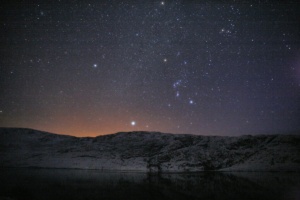
Well, let me tell you about the ‘Mirrie Dancers’ of the north . Where you come from, you’ve probably known them by the more familiar names of Aurora or the Northern or Southern Lights. However the Caithness term for them is ‘The Mirrie (Merry) Dancers’. Contact us for more information. No doubt you’ve seen posts I’ve shared on Facebook from brilliant regional photographers with magical glows of white, green, pink or purple glowing in the dark midnight skies over Caithness or the Northern Highlands. If you would like to see great photos of the ‘mirrie dancers’ by a local, I certainly recommend you seek out Marceij Winijchek’s photography on Facebook! Yes, the lights or mirrie dancers can be seen elsewhere around the Highlands or the rest of Scotland…… but where, just depends on where the coldest, clearest night sky can be found (no lights, no cloud, no rain)! Wow, there have been sightings of the mirrie dancers this week, from Caithness to the Islands to the north and the west of us! I was lucky enough to see them too, at around 3:00am on two consecutive mornings. Amazing and so unexpected as there has been rain and cloud for days on end – quite a show out over the Pentland Firth, with rays with pulsing spikes in a purple, green and lots of white…..and my camera battery was flat (considered essential to get the special settings needed)! But they do not always look like the photos, to the naked eye. In actual fact the aurora if showing in all its’ glory, is best captured on really long camera exposures, out on very cold still, clear nights with a dark glow. If you do see any green, then that’s the oxygen, struck by electrified particles from the sun. The further north, the greener it is (particularly in the islands and Far North Caithness) – just as we saw it that first time of our life, in magical Lapland’s Arctic skies. The pinks and purples make great photographic contrast but tend to be seen more the further south in Scotland you go. If you strike it lucky the Mirrie Dancers can flicker and dance across the sky, or simply glow like a well lit city. The sense of wonder is hard to describe! It has been reported that some hear a slight buzzing sound comparing it to the rustling of silk – but we’ve never heard it. While the Sami, the traditional people of Lapland say that it sounds like reindeer leg joints when they run! Be prepared for an incredible experience. It will touch your heart and leave you speechless. Seeing them with your own eyes somehow changes your view of the world, of nature and of life.
Can we see them anywhere?

Yes, though they are seen more frequently at higher latitudes and places closer to the poles. To view them, find a dark area and stand with your back to any lights – and look in the direction of the closest pole (obviously, the northern horizon in the northern hemisphere, the southern horizon in the southern hemisphere).

Can we see them at any time?

Yes, but here in Scotland we can’t see them with the naked eye unless it’s dark so wait for long, cold, dark sky nights in our winter – noting that we have really short days in winter, as it starts to get dark from around 3:00pm. Generally expect to see the dancers in the depth of winter from December to February, though like this year they can be visible earlier, starting around September if there’s an early cold spell of weather.

What causes the colours and patterns?

Now lets get real techie here! Colours and patterns are from the ions or atoms colliding with the atmosphere and are affected by lines of magnetic force. Displays come in many forms, including rippling curtains, pulses of waves, or steady glows and flares.

What is the difference between the Northern Lights and Southern Lights?

Actually both the northern and southern lights are types of Auroras (and the aurora is the mirrie dancers to us). The difference? One occurs near the south pole, and the others in the north.

Aurora Facts

• Auroras have been observed since ancient times. • Auroras tend to be more frequent and spectacular during high solar sunspot activity, which cycles across approximately every twelve years. • Some auroras are particularly spectacular (see local newspapers and Facebook). • Legends abound in northern cultures to explain the dancers/aurora/northern lights. • 1896, a Norwegian theorised that auroras were triggered by electrons from sunspots. • Scotland is the capital for UK aurora sightings, and Norway for European sightings. • Earliest known account of northern lights appears to be from a Babylonian clay tablet from the official astronomers of King Nebuchadnezzar II, 568 BC.

Caithness Dark Sky Discovery Sites

Where is our best local spot to star gaze? Well in Caithness it is far closer than you think……The Castlehill Heritage Centre in Castletown only ten miles away from us here in Canisbay, is a designated dark sky Discovery Site. Viewing is just great down at the Harbour behind the building and overlooking the Pentland Firth and Orkney in the background. Designated Dark Sky Discovery Sites are a nationwide network of UK locations that provide great viewing opportunities and are accessible to everyone.

Caithness Astronomy Group list of Highlands Dark Sky Discovery Sites

Camas na Sgianadin – Broadford, Isle of Skye, IV49 Castlehill Heritage Centre –  Castletown, Caithness, KW14 8TG (our local site) Clan Donald Centre – Armadale, IV45 8RS Glen Canisp – Lochinver, Sutherland, IV27 4LW Isle of Coll – Arinagour, Isle of Coll, PA78 Isle of Coll – Cliad Football Pitch, Arnabost, Isle of Coll, PA78 Isle of Coll – RSPB Totronald, Coll, PA78 6TB Jim Savage – Lowden Observatory, Culloden Battlefield, Culloden Moor, Inverness, IV2 5EU Knockbreck – Tain, Gillen, IV55 8GP Kylerhea – Otter Haven Car Park, Kylerhea, IV42 8NH Leitir Easaidh – Little Assynt, Lochinver, IV27 Stein Jetty – Stein, Isle of Skye, IV55 8GA Observatory – Kinloch Forest, Isle of Skye, IV43 8QY Trumpan Car Park – Trumpan, Isle of Skye, IV55 8GW Walk and Wild – Melvaig, Wester Ross The Putechan Hotel – Bellochantuy, Argyll, PA28 6QE

What else can we see in the night sky?

As they say, a clear night sky offers an ever-changing display of fascinating  ‘sky watching’ — in addition to the mirrie dancers, you could see stars, constellations, bright planets, the moon, and occasionally meteor showers or even the International Space Station. As the third brightest object in the sky the space station is easy to see if you know what to look for, and when to look up. It looks like a bright star moving quickly from horizon to horizon. However as suddenly as it appears, it disappears. It is due back in UK skies in November 2020. UK Space Station Timetable: https://www.glosweather.com/isslive (‘google’ for other countries). Observing the night sky can be done with no special equipment, although a Sky Map can be very useful: https://www.timeanddate.com/astronomy/night/@2641342 (search on the name of nearest town to you). While you’re at it, check out the Aurora Watch UK site to prepare yourself for the experience – before you come. This is truly one of the most overlooked but interesting activities in Caithness! Contact us regarding accommodation or tours (private or group) during your winter breaks in the Far Northern Highlands of Scotland. Why not tie it in with a North Coast 500 tour, or a quiet staycation, or research your family ancestry and ‘walk in the footsteps of your ancestors’! Photography with thanks to: Visit Scotland, The Scotsman & R Jobson. ♥ RobbieMac, Your Highlands’ Guide  

Queries / Bookings:

Ross & Robyn RobbieMac Tours & Ancestry Services © 2021 RobbieMac Tours © 2020

Caithness Legend – The Selkie of St Trothans, Olrig

Caithness Legend – The Selkie of St Trothans, Olrig

Did I really feel a frisson of excitement or was it nervousness as my friend and local, Jennifer and I pulled open the gate at the entrance of the Olrig Cemetery with its’ old ruined Kirk of St Trothans at Olrig, not far out of Castletown. While I had heard the local stories about a ‘selkie’ grave, I hadn’t managed to find this grave on my own accord until now.

Olrig Cemetery

At Olrig there are effectively three cemeteries bounded by old stone walls – the ancient, the quite old and the modern! The name Olrig derives from the Old Norse meaning ‘son of Erik’  – around the time when Caithness was called Katanes and  it, and Orkney and Shetland were all part of Norway.

The roads and church are signposted, but it took help to find the way to the grave. It goes without saying, that the influence on locals’ lives by the church was strong in those times, and legends and stories were common, no more so than in Castletown.

So before I go further, what is a selkie you may well ask?  The word selkie means ‘seal’ in both Old Scots and Norse and of course Caithness was a major player in the Viking Kingdom.

Legend of the Selkie

Selkies are mythological shapeshifting (the word used today is morphing) creatures that are also found in Faroese, Orkney, Shetland, Icelandic, Swedish, Irish and Scottish folklore. The Caithness selkie was half-woman, half-seal and she is buried in the ancient graveyard in Olrig. In some parts they are also referred to as sylkies, selkie folk and in Shetland as mermen or merwomen.

According to the old stories, selkies were able to become human by taking off their seal skins, and can return to seal form by putting it back on. Stories about the selkies are romantic tragedies and vary slightly from place to place!

Sometimes the human will not know that their lover is a selkie, and just wakes one day to find them gone. As many have heard, that any children produced by a selkie-human union could be distinguished by having hereditary webbed hands and feet. The selkie mothers would nick away at the web in an attempt to be rid of it, and thus keep the secret from others! There are still families or descendants of families who actually believe they have these hereditary selkie traits.

Castletown Myths and Legends

The Castletown legend is the most common story of the man who steals a female selkie’s skin when he finds her naked on the sea shore. He compels her to become his wife. But the wife spends her time longing for the sea, and was often seen gazing longingly at the waters. She bears several children by her mortal husband, but once she discovers her skin, the pull is too hard and she immediately returns to the sea and abandons the children she loved.

However in one children’s version the selkie revisits her family on land once a year, but in the more common version she is never seen by them again.

Sometimes the human will not know that their lover is a selkie, and wakes to find them returned to their seal form. In one version, the selkie wife was never seen again by her children, but the children would sometimes see a large seal that would come up and greet them plaintively. Other times the common version, the human would hide the selkie’s skin, preventing them from returning to seal form.

The Selkie Grave

Now back to our selkie grave ….. there is a plaque on the cemetary gate with the legend.  Read and enter! The ruins of St Trothans which was built in 1633, are now well hidden in the trees and the whole place has an eerie sense about it! That isn’t helped by the fact that the ruinous walls are also quite overgrown with ivy which seems intent on taking it over forever!

But we were on a mission. To find it…..as you enter the cemetery gates, walk straight ahead then turn toward the ruins. The more noticeable pirate graves are on the ground, lying flat, with a skull and crossbones on. Some believe them to be either criminal or Masonic graves – but who knows. They lie about two or three rows away from the old church and close to the selkie.

Opinions vary, but pirates sounds much more romantic to me given that Castletown is on the Pentland Firth, a major and most dangerous tidal waterway –  and with many stories of piracy!

We get there and what a surprise – it is just a wee grave, child sized with a strange hole in the stone on top of it. Our selkie in this legend was apparently found as a baby swaddled in a sealskin. She was later banished from the kirk as a devil worshipper and ultimately died while giving birth to her first child.

The hollow on the stone to cover her grave, is said to never dry out. It is said that if you put your foot in the hole and make a wish it is supposed to come true, or that it will rain! Depends on who tells you the legend of the selkie.

What I do know is that if you put your hand in the hole it gets wet and no, it didn’t rain that day!

Other similar Legends

One Scottish legend from another location, believes that selkies were creatures that can take the form of seals or humans, depending on whether they were in the water or on land. In that version the sellkie was a mermaid.

No matter where, when their seal-skins were discarded the selkies became extremely attractive to humans and it was not uncommon for relationships to form – with the selkie making the decision to stay on land. The folk-tales frequently revolve around female selkies being coerced into relationships with humans by someone stealing and hiding their sealskin, thus exhibiting the tale motif of the swan maiden type.

But no matter how strong the selkie’s ties with her mortal family were, she would always pine to return to the sea. So to avoid this possibility the men would steal the seal-skins and hide them. Without their skins, the selkies were trapped on land with their mortal family!

One legend tells of a selkie woman who had been married to her mortal husband for many years and had several children by him. One day, one of her young sons came across the seal-skin which had been hidden away in his father’s hiding place and, curious about what it was, took it straight to his mother. Delighted, she seized the skin from him, put it on and slipped back into the water – leaving her family, home and distraught husband behind forever. Such a sad legend no matter which version you hear.

Olrig the most haunted place in Caithness

On the way out, we passed an ancient stone collection container inside the gate! Olrig, incidentally, is one of the most haunted places in all of Caithness. Some believe that bad luck follows you out of that cemetery time and time again. Luckily I did not hear that part until much later on!

Local myths and legends are really fascinating and you can usually find an element of truth if you dig deep enough. I’ve since heard of a number of other Olrig and Castletown legends, including: a Mummy on the loose; The Valkyries in the hill; The Green Lady at Olrig House; ; the bagpipes of the Piper skirling at all hours on Windy Ha; the lost Kirk; and of course the Tunnel!

This is truly one of the most haunted places in Caithness! Ask about our tours!

RobbieMac, Your Highlands’ Guide  

Queries / Bookings:

Ross & Robyn

RobbieMac Tours & Ancestry Services © 2021


All you need to know about ‘Whins’ aka Gorse!

Getting up close with Whins aka Gorse……..

Whichever name you know it as, either ‘whins’ in Scotland or ‘gorse’ from elsewhere, the prickly shrub smothered in sunshine – yellow blossom is an iconic plant of the heathland and rough open spaces when it is in blossom.

The hillsides in the Northern Highlands are a real treat to drive through particularly along the NC500 route – you can’t fail to notice the dramatic colour in the warmer months, commencing around Easter. It was the go-to plant to fulfil the many but simple needs of the ancients!

                  Whins along our Highlands roadsides

The flowers have a sweet coconut fragrance and are still used to make delicious drinks and desserts by enthusiastic foragers. The prickly shrub is a popular plant (read ‘weed’) and wherever it grows in quantity it is one of our great landscape vistas!

Whin bushes in flower make for great photographs in our Highlands countryside. Perhaps that is what inspired me to go foraging (during the long days of COVID lockdown before ‘easing’ started) and experiment for the first time with making whins ice cream last week……and my my wasn’t it gorgeous, as it tasted of coconut and a certain ‘je ne sais quoi’!

Top Tip: The flavour really matured by the second day!

By far the most popular household use was for dyes – green made from the bark and yellow from the blossoms. Did you know that dying cloth was considered a magical process, done only by women?  Meanwhile the men used it as a farm resource, and for hedging their fields to keep stock in and intruders out. Today you can still see it bordering many fields as you drive around the Highlands, and of course here in Caithness.

If driving north from Inverness to Caithness, do stop off the A9 on your way north, and take a walk over the hill to the clifftop ruins of Badbea clearances village on the clifftops!

The path to the ruins is lined with gorgeous whins!

The walk from the Badbea Clearance Village carpark over to the ruins can be a tad uneven – but the magnificent views of the North Sea and Oil Rigs, the dramatic cliffs, the sad Badbea ruins and monument, and the smell of coconut and amazing colours of the whins in flower make for a great photo opportunity. You’ll have some special memories when you become aware of the horrific story of the Highland Clearances – which was the reason people were driven here! Did you know that living on the clifftops was so dangerous that they had to tie children and young animals to stakes by ropes – to prevent them falling off the cliffs?

Talk about a super multi-purpose product! It was believed by the ancients that whins extended protective powers over the herds. They also boiled the seed pods, and used it as flea-repellent inside their wee butt and ben (2 room stone thatched cottage with dirt floors) which they shared with their few animals.  

Although a tedious task to grind the bush, it made great animal feed. However it was and still is an invasive plant and needs to be kept under control. By burning, it provided them with ashes which enriched the soil and encouraged plant growth. Ashes were also be mixed with rendered animal fats and made into multi use soap – but remember there were no bathrooms or baths as we know them!

Really, it was the first herbal tea and the seeds gave a ‘laxness to the bowels’!! It was also mixed with heather honey and used as a mouthwash. Can you imagine that as the honey probably helped to rot their teeth then causing more bad breath!

Burning torches of whins wood around cattle and other livestock was believed to enhance their fertility, and keep their coats clear of parasites. What self respecting bug would stick around! The wood was also used to carve eating utensils and provided great fuel for their cottage fireplace. The prickly bushes still make an important and safe habitat for birds, reptiles and many invertebrates.

Continue reading

Packing for Scotland – what should I pack?


Scotland is quite casual! Basically, you can wear what you like. Smart casual will get you by almost anywhere, even on a night out – exceptions being for special occasions when the locals like to go in traditional dress ie a kilt and accessories.

The weather is famously variable – No two months the same….no two weeks the same….no two days the same! You can expect temperatures to average around 5°C (41°F) from autumn-winter- spring and although it does snow, it usually isn’t a lot in the cities and will rarely settle in many places in the popular larger cities Edinburgh, Glasgow and Inverness. Expect to see it sit on the tops of the high country.

Summer time June-July-August is generally warmer and has been known to hit 32°C but in the main ranges 15 -25°C. There can be 5°C difference in the temperature between John o’Groats and Edinburgh – the further north you go the cooler it gets. Heading further south, London can be 5°C less than Edinburgh too.

Number one rule for what to wear in Scotland – If there is ONE tip that I could give you when you’re planning your trip to Scotland is to take layers.

As much as I try to tell people the sun really does shine in Scotland, the weather is also very changeable and you’ll be thankful to have several different layers with you. And I’m not just talking about when you’re packing, I’m talking about when you’re out and about during the day.

General Scotland Packing List – If it is a bit overwhelming and you’re thinking, what to wear in Scotland question is really complicated – well here’s the packing check-sheet!

Think always of washing facilities before settling on only jeans as they are heavy and take ages to dry – it can sometimes be challenging to find utilities/laundries with washers and dryers as you move around!

Sweatshirts/Jumpers – Remember layering is key so you want something that’s warm but not too bulky, that fits under a coat. Just layer tops with a vest top, T- Shirts long and or short sleeved and/or jumper and just remove if and when you need.

Undies – You do not need thermals for most of the year. You only need thermals if you’re in the highlands in the winter and intend to be outside a lot – normally a simple vest top or t-shirt and standard trousers and good socks will do. In fact inside buildings they usually have the central heating cranked up in winter and you can even get quite hot in places – remember, always layer so that you can peel off if you need to.

Jeans/Trousers – Think about the activities you have planned and if you need water resistant clothing for outdoors. If you plan on going out somewhere fancy of an evening, then something slightly more fashionable – I just add a scarf or a wrap!

Save the kilts and tartans for weddings and functions. Don’t pack dresses – I don’t ever pack or wear a dress as it is so much easier to stay warm in trousers!

Coat/Jacket – Choose according to the weather, but consider something windproof, waterproof and with a hood – town or country. Try to find one with interior zip-in capability for a fleece. There’s always a great range to choose from, and they are stylish to boot.

Winter warmers – Think warm socks, a scarf or neck warmer, cap and gloves. Bring tights and leave in your day bag in case extra warmth needed – light, easy dry and quick fix for unexpected cold.

Boots/Shoes – I usually live in long boots from autumn to early spring – warm boots for winter or the cold. For summer consider footwear that can handle walking around both city and countryside – comfortable with safe soles, waterproof, and go with anything even at night. Do not bring sneakers as they will let water in and give you cold feet!

Dressy outfit women – Unless you’re planning a special dinner or night out it’s unlikely you’ll even need a dress here! Just a nice pair of trousers and matching top – add a scarf or wrap to always give a touch of glamour.

Dressy outfit men – For men, jeans or chinos plus any type of comfortable shoe or boot is fine!

Extras to Pack for Scotland – Aside from what to wear, there are a few extra things you should consider when packing for a Scotland trip:

Plug converter: Some modern buildings or converted accommodations will have USB ports built-in or have plugs available if you have forgotten to bring one.
Mobile/cell phone – a mobile is a great storage idea and is a single multi purpose tool ie phone, camera, clock & alarm, google maps, touring apps etc.
Reusable water bottle: Water from the tap in Scotland is magically pure and safe to drink, so bring a reusable water bottle to stay healthy and hydrated while out and about, save money and look after our environment!
Flashlight: A small torch with LED light/flashlight is useful if you’re staying in accommodation outside of the better lit cities, or travelling by car, or reading when staying in a hostel.
Daypack/Backpack: This can take many forms depending on what you like and your purpose. My husband and I carry one while on the move, or I use a large shoulder bag when I’m shopping. You can also use a foldable backpack if you’re bringing carry-on luggage – not our style, but for the brave, a clever move!
Hand warmers: Optional small hand warmers can be really handy if you’re susceptible to cold particularly when out in the open in winter. Carry in your coat pockets for ready access! Generally not needed autumn – spring- summer!
Binoculars: If you’re heading to the highlands or on a coastal/boat trip consider small binoculars to view wildlife. Especially if you’re looking for puffins, orcas or seals in the summer!
Midge repellent: Midges are a small flying insect and are kind of like sand flies/mosquitos and sometimes found on dull, still, potentially damp afternoons and can nip well. They don’t affect everyone, but some are more susceptible than others. Bring or buy Smidge spray or Avon Skin So Soft repellent. Locals also swear by either product.
Camping gear: Obviously if you’re going camping (only recommended in late spring and summer or you’ll have a whole lot more gear you need to consider)! Not my specialty – but do your homework or contact your tour operators for more information. Do consider the environment and wildlife, and do not leave rubbish or damage behind, when you go.

Feel free to CONTACT US if you have any queries. Alternatively, so check our website where you’ll find inspiration on what to do, and then determine appropriate clothing.

‘There’s no such thing as bad weather, just the wrong clothing’ – Billy Connolly

Queries / Bookings:

Ross & Robyn

RobbieMac Tours & Ancestry Services © 2021